Behind-the-scenes: why the opposition leader made the unannounced trip to Touba
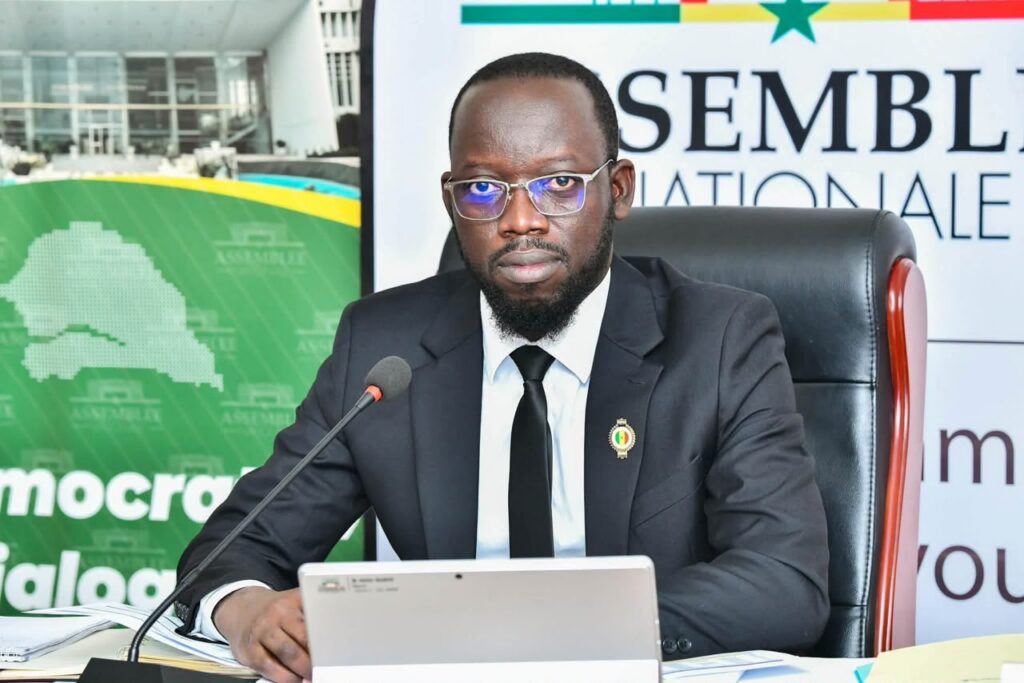
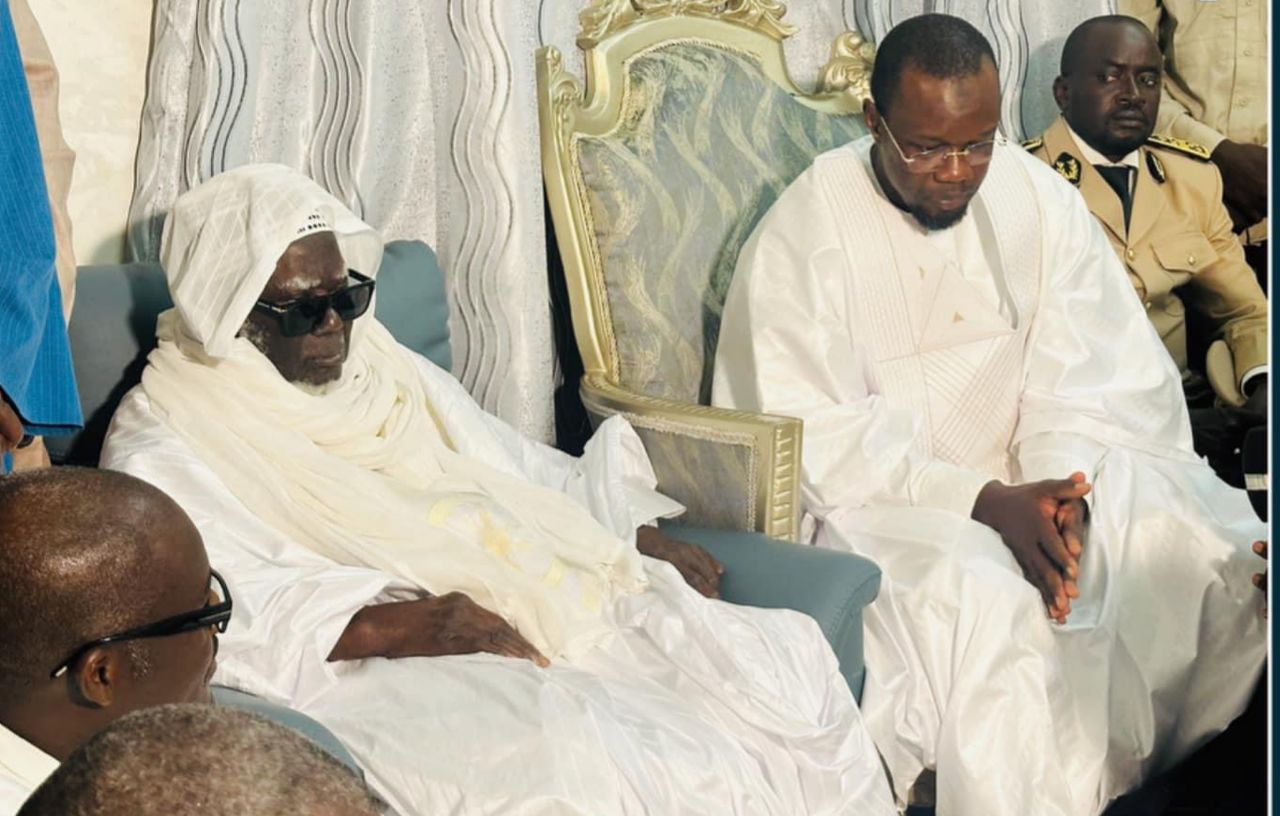
In an unusually discreet move, Ousmane Sonko, Senegal’s influential opposition figure and National Assembly President, arrived in Touba late Thursday evening. Unaccompanied by press or large entourage, Sonko entered the holy city under the cover of night, accompanied only by Serigne Cheikh Thioro Mbacké and businessman N. S. The visit raised immediate curiosity about its purpose and timing.
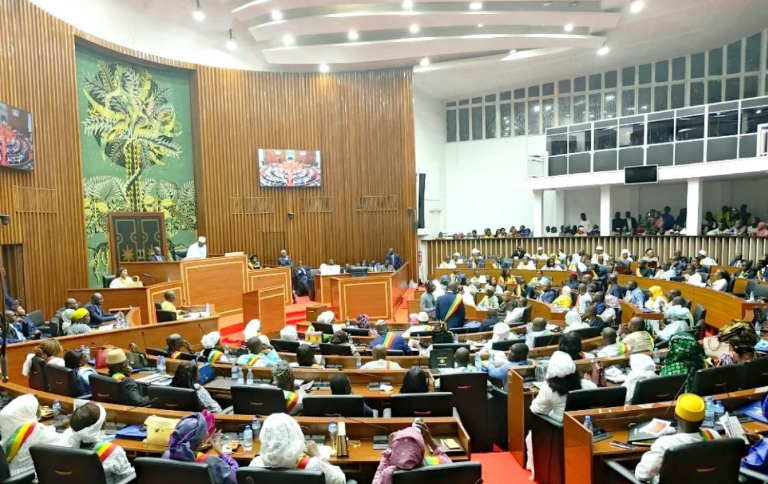
The timing of the nocturnal visit was not coincidental. Just hours earlier, tensions had escalated between Senegal’s executive and legislative branches, with Sonko’s Pastef party accusing the government of attempting to sidestep parliamentary oversight. This context adds a layer of significance to the meeting that followed.
Empty corridors, sealed chambers: the details of the closed-door meeting
Upon arrival, Sonko was granted an audience with the Khalife Général des Mourides, Serigne Mountakha Mbacké. The encounter, which lasted nearly an hour, took place entirely in private—no press statements, no cameras, and no public statements were issued afterward. The strict confidentiality of the meeting underscored its sensitivity.
While official details remain scarce, the agenda was likely centered on the political turmoil gripping Senegal. The Mouride Brotherhood, one of the country’s most influential religious orders, has historically played a quiet but pivotal role in mediating national disputes. The timing of Sonko’s visit suggests he sought guidance, legitimacy, or at least a strategic dialogue on the unfolding crisis.
From Touba’s streets to the political stage: dissecting the journey of a nighttime outreach
The route from Dakar to Touba is more than 150 kilometers of highway. Yet Sonko did not take it in daylight. His decision to travel at night reflects a deliberate effort to avoid public scrutiny and media attention. The route itself passes through strategic towns like Thiès, where local political dynamics can shift rapidly.
Upon leaving Touba, Sonko departed immediately—no extended stay, no public appearance. His return journey mirrored the secrecy of his arrival, reinforcing the message that this was not a social call but a mission-driven visit.
Unpacking the political quiet: what the Khalife Général’s silence signifies
Religious leaders in Senegal often operate behind the scenes, their influence felt more in corridors of power than on public platforms. The Khalife Général’s decision to not issue a statement following the meeting speaks volumes. It suggests a preference for quiet diplomacy over public alignment—a stance that avoids alienating any political faction while maintaining moral authority.
This approach aligns with the Mouride tradition: discretion, humility, and indirect influence. In a moment of political uncertainty, such quiet mediation can either stabilize or complicate the situation, depending on how it is received and interpreted by all parties.
The broader picture: how this visit fits into Senegal’s evolving political narrative
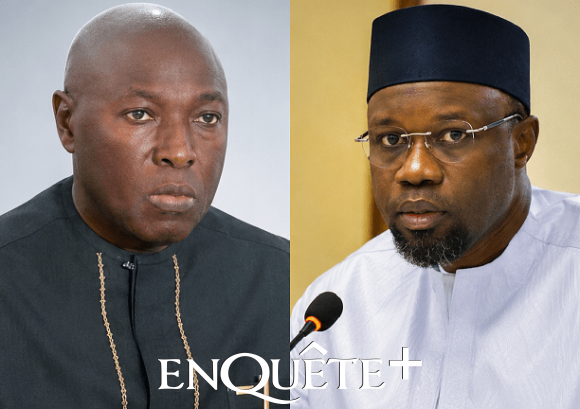
Senegal’s political climate has been marked by increasing polarization between the ruling coalition and the opposition. Sonko, a polarizing yet highly popular figure, has been at the center of this tension. His decision to engage with the country’s most respected spiritual leader reflects a calculated move—one that may aim to bolster his legitimacy, seek moral support, or navigate a fragile parliamentary landscape.
The visit also raises questions about the role of religion in politics. While Senegal prides itself on secular governance, the influence of Sufi brotherhoods like the Mourides remains profound. Their endorsement—or even silent approval—can sway public sentiment and political calculations.
As night gave way to dawn, Sonko’s return to Dakar signaled the end of a high-stakes conversation. But the ripple effects of that closed-door meeting may continue to shape Senegal’s political trajectory for days, weeks, or months to come.